

COVID19
Photo Essays
2 MIN READ

The Nepal government’s announcement of a lockdown threw millions of lives in disarray, perhaps none more so than that of migrant workers looking to return home.
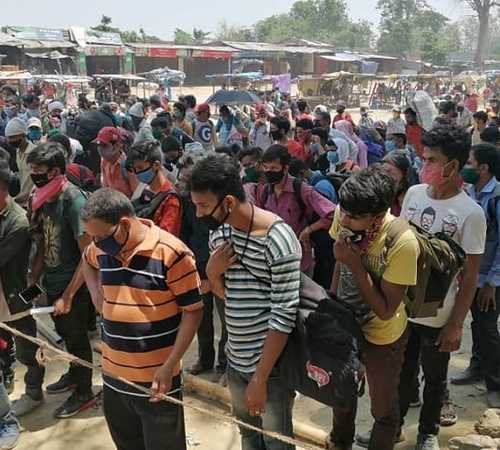
How will we remember 2020? The Record is republishing stories from a curated series of visual stories commissioned by photo.circle that presents the work of visual storytellers based across Nepal who began documenting their communities since the early days of the Covid-19 pandemic.
When Nepal enforced a nationwide lockdown on March 24, 2020 in response to the spreading Covid-19 pandemic, thousands of migrants were stuck outside of the country’s borders with no way to get back home. Nepali migrant workers in India began to return home in droves as the pandemic shut down industries, factories and most places of employment.
Over just one weekend at the end of May, 19,000 Nepalis crossed the border into Nepal at Gauriphanta in Kailali. New arrivals are sent to quarantine and according to Narendra Karki, chief of the Health Division at the provincial Ministry of Social Development, 37,000 people have been quarantined since the lockdown was enforced. However, only 1,500 of those who arrived have been given Polymerase Chain Reaction (PCR) tests.
This story was produced for the Nepal Photo Project with support from the photo.circle 2020 grant.


Explainers
Features
2 min read
The government of Nepal finally adopts Covid-19 measures.

News
5 min read
Delays in seeking treatment due to the similarity of scrub typhus’ symptoms with Covid-19 are fast becoming fatal.

News
4 min read
Oli’s conspicuous silence on the recent Dalit lynching is disconcerting, to say the least

Features
6 min read
Galvanized by a series of videos detailing one woman’s harrowing experiences of being raped as a minor, Nepali women and men take to the streets in protest.
Features
8 min read
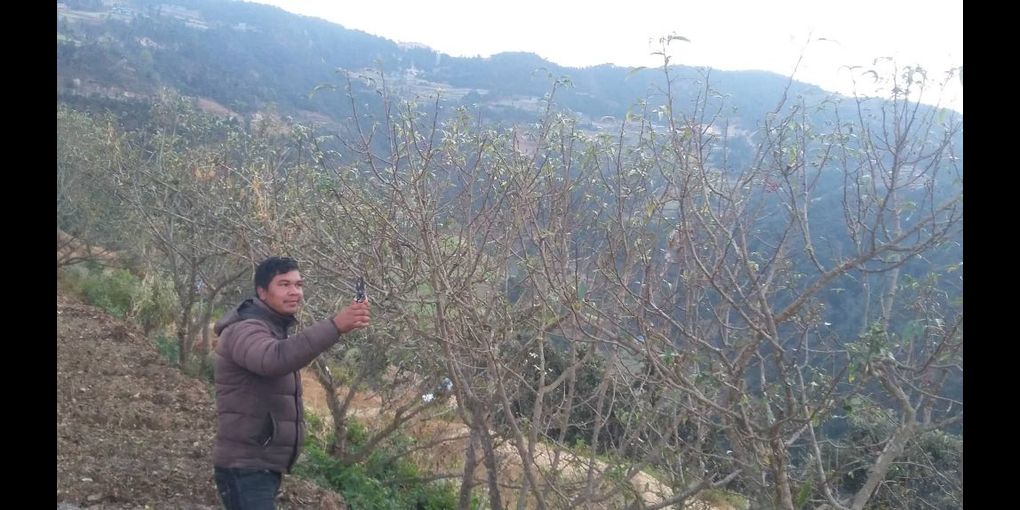
A few years ago, farmers in Salyan switched from growing traditional crops to timur and other climate-resilient crops. Their success story needs to be replicated across Nepal.
Perspectives
18 min read
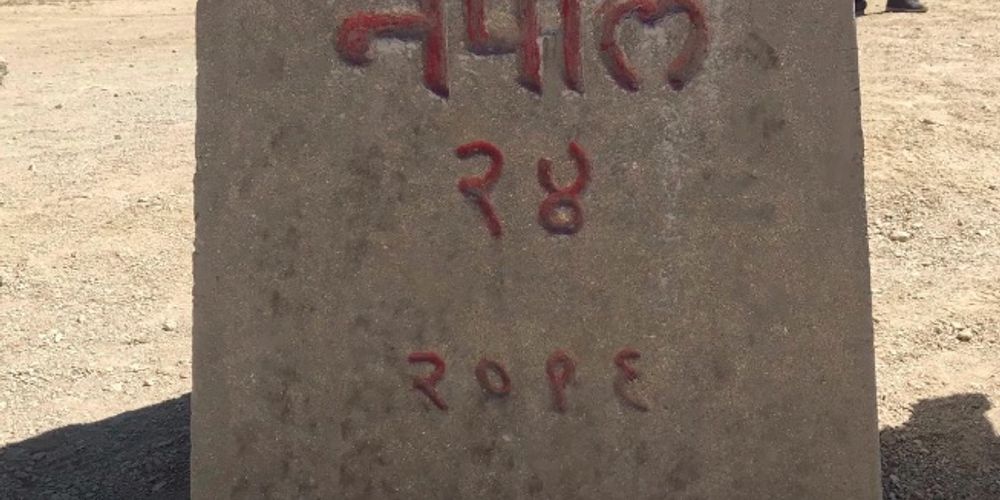
Nepal’s leaders should pay greater attention to developing coherent and effective policies for the northern border

Features
4 min read
A new amendment to the CIAA bill focuses on the business community but spares state bodies

Longreads
19 min read
An international investigation has revealed how many Nepali business persons and companies have used tax havens to stash wealth and avoid taxes.


