

Features
4 MIN READ

An alarming rise in the number of deaths despite low Covid-related fatalities raises doubts over authentic reporting

The coronavirus pandemic could be taking a greater toll on Nepalis working abroad, with latest official figures suggesting an alarming increase in the number of deaths.
In the first four months of the current fiscal year beginning mid-July, at least 106 Nepali workers lost their lives on a monthly average — almost double compared to the previous fiscal year — according to data compiled by the Foreign Employment Board (FEB). On average, around 53 workers died every month last year. Since FEB’s data only counts workers whose families have received compensation through the migrant worker’s welfare fund, it's likely that the actual fatalities could be slightly higher.
Exactly what is contributing to the spike in the death toll remains unclear due to the lack of clear evidence, but according to officials and experts, the coronavirus pandemic could be a major factor. Migrant workers have been one of the groups most affected by outbreaks of coronavirus in the Gulf and Malaysia. The transmission is estimated to be widespread, but many countries have not been transparent with the data on affected workers.
The death certificates issued to deceased workers, however, show only limited Covid-19 impact. Only 58 out of 427 deaths that occured between mid-July to mid-November have been attributed to Covid-19, according to FEB’s causewise breakdown based on death reports issued by authorities of the concerned countries. Covid-19 deaths reported in the Gulf include 32 in Saudi Arabia, 17 in the United Arab Emirates, four in Qatar, three in Kuwait, and one in Oman.
Most other deaths have been attributed to causes like cardiac arrests, natural deaths, suicides, and accidents which have historically remained the major cause of death for Nepali migrant workers abroad.
“In recent months, we have seen a rise in the number of workers dying due to various illnesses,” said Ashish Bhandari, a staff member at FEB who oversees repatriation-related works. Malaysia, which did not see any Covid-19 death, reported 45 fatalities from illnesses in the aforementioned period.
The growing death toll presents a disturbing scenario on multiple grounds. Firstly, the death toll of Nepali workers had indicated a decreasing trend since the fiscal year 2070-71 when the FEB recorded 1,006 deaths. Secondly, the number of Nepalis working abroad is believed to have dropped to a historic low, owing largely to a reverse migration caused by the coronavirus pandemic and the consequent global economic recession. More than 200,000 Nepali migrants have returned home since March whereas only a few thousand have left the country for overseas jobs due to coronavirus-related visa and travel restrictions, according to the Department of Foreign Employment. Thirdly, there has otherwise been a relative improvement in the living and working conditions of workers, thanks to the constant scrutiny of rights groups and new legislations favouring workers.
The unexplained rise in migrant deaths despite low official Covid-related fatalities has cast doubt on the authenticity of the death reports. Many suspect that governments in the Gulf and Malaysia are possibly either avoiding testing workers or deliberately hiding real figures to downplay the impact of the virus on migrants. It is common practice in Malaysia and the Gulf nations to issue death certificates without conducting autopsies or doing the necessary investigation.
“The death reports are issued primarily because airlines do not carry bodies without death certificates,” said Ganesh Gurung, a labour expert who has long stressed on the need for proper investigation on the deaths of workers and the validity of death reports. Neither Nepal nor any of the work destination countries have properly investigated migrant deaths even as some 13,000 Nepalis have lost their lives since the early 2000s, according to government data.
The recent surge in the number of deaths of migrant workers is hardly surprising. Rights groups have long alleged that countries like Malaysia, Saudi Arabia, and Qatar have done little to safeguard the physical wellbeing of migrant labourers. Their unhygienic, overcrowded living and working conditions have also left them highly vulnerable to the coronavirus.
Local and international media have reported multiple cases wherein unhygienic living and working conditions as well as employers’ reluctance to enforce physical distancing have led to mass transmission of the virus, often resulting in a public health crisis. Since the death of a Nepali worker in early December, Top Glove Corp, the world’s largest glove manufacturer based in Malaysia, has confirmed that more than 5,000 migrant workers have been infected by Covid-19. Before the health crisis, the company had fired a Nepali worker for exposing their unhygienic working and living conditions to rights groups in Nepal.
Despite reports of the widespread violation of workers rights in the Gulf and Malaysia, Nepal has done little to help destitute workers and failed to exert pressure on the host countries to protect their rights. The Oli government’s announcements to repatriate migrant workers free of charge have benefitted only those with connections, while a majority of the unemployed still remain stranded, unable to afford regular flights.
Similarly, the state’s incompetence has exasperated the suffering of bereaved families. Most families are forced to wait months to conduct funeral rites due to delays in the repatriation of dead bodies.
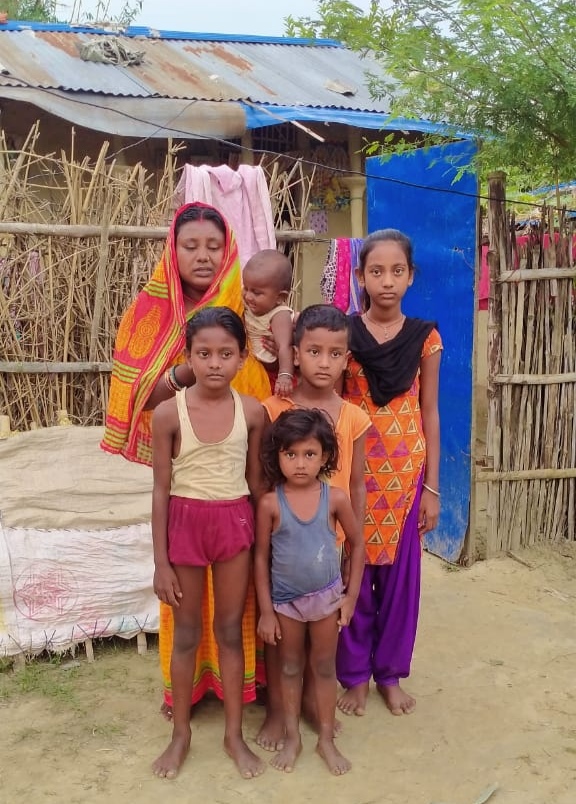
Binod Kumar Sah Sonar’s family had to wait for 73 days to receive his body after he committed suicide in Qatar. His family has not yet received compensation.[/caption]
Binod Kumar Sah Sonar’s family, for instance, had to wait for two months and 13 days to get his body after he committed suicide in Qatar in August. Sah’s family has neither been able to get compensation from the workers’ welfare fund nor receive any insurance. Sah’s wife needs the money to pay back loans and raise her five children.
“The process to claim compensation has gotten more complicated with online processing,” said Komal Sah, Sah’s family member.
FEB director Din Bandu Subedi said that the suspension of international flights created delays in the first few months after Nepal went into lockdown. “It is no longer the case, except in the case of Saudi Arabia where it usually takes up to a month to bring the body back even under normal circumstances,” Subedi said, adding that his office has started processing compensation through workers’ welfare funds online.
“If the applications and paperworks are in order, we tend to release funds as soon as possible,” said Subedi.
Given the unusual circumstances presented by the pandemic, several families of deceased migrant workers have started giving permission to dispose of the mortal remains of their loved ones abroad.
“The destination countries themselves have restricted the return of the bodies of workers dying from Covid-19,” added Subedi

News
3 min read
A recently released AI report shows how Qatar is still mistreating migrant workers from countries like Nepal

Features
5 min read
Clumping together gender identity and sexual orientation into one category in the census is misrepresentative say some members of the queer community, but there are others who see it as an opportunity

Podcast
16 min read
Marty Logan speaks with Nepalis about building a better country.

Opinions
5 min read
Education can only be the great equaliser if everyone is provided quality education.

COVID19
5 min read
The coronavirus has cut through the democratic facade to show how deep inequality runs in Nepali society

COVID19
News
3 min read
A daily summary of Covid19 related developments that matter

Features
6 min read
New ICE regulations could force international students to return home

COVID19
Features
5 min read
The government’s latest decision to stop providing free testing and treatment for Covid-19 patients is being panned by a growing group of political leaders

