LOGIN DASHBOARD

    The Wire

    Photo Essays

    5 MIN READ

    Women for women

    Nepal Picture Library, November 18, 2018, Kathmandu

    Women for women

      Share this article

    A photo story on the history of women's rights activism
    (The Record)

    With the move towards grassroots organization and especially with the proliferation of civil society activities in the 1990s, the women’s movement in Nepal has grown leaps and bounds. The rise of women-led non-governmental organizations and advocacy forums raising issues of gender and women’s rights has critically transformed women’s lives across the country. Women’s groups have been been the main vehicle for issues of property rights, sexual violence, trafficking, economic empowerment, reproductive health, governance, representation, and political participation to gain ground. What we present here is merely a fraction of the immense archive of NGO and other civil society activities on gender issues.

    Kavrepalanchowk | 1983

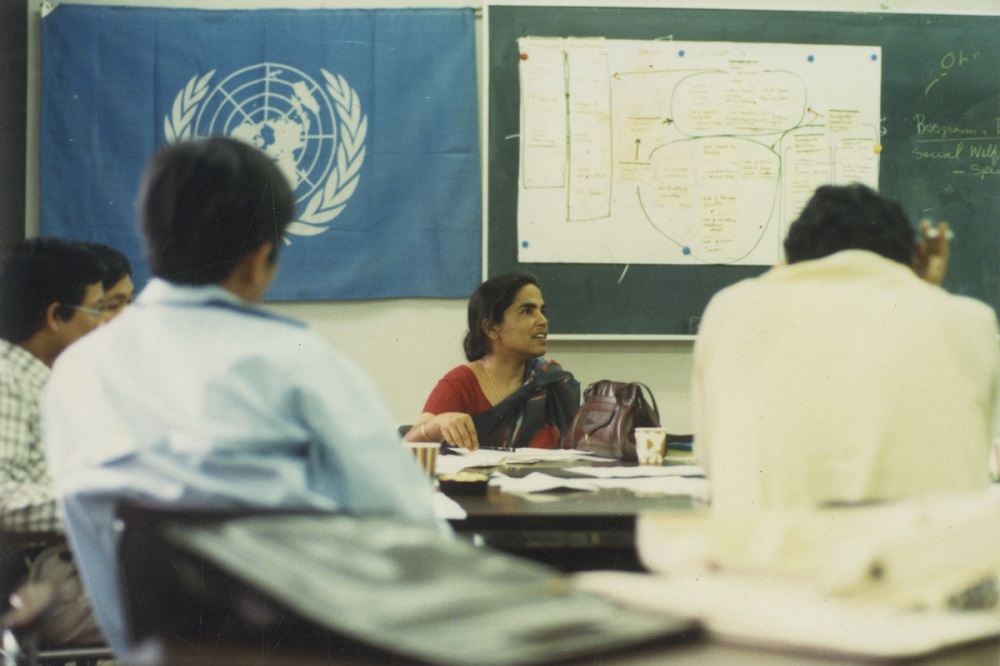
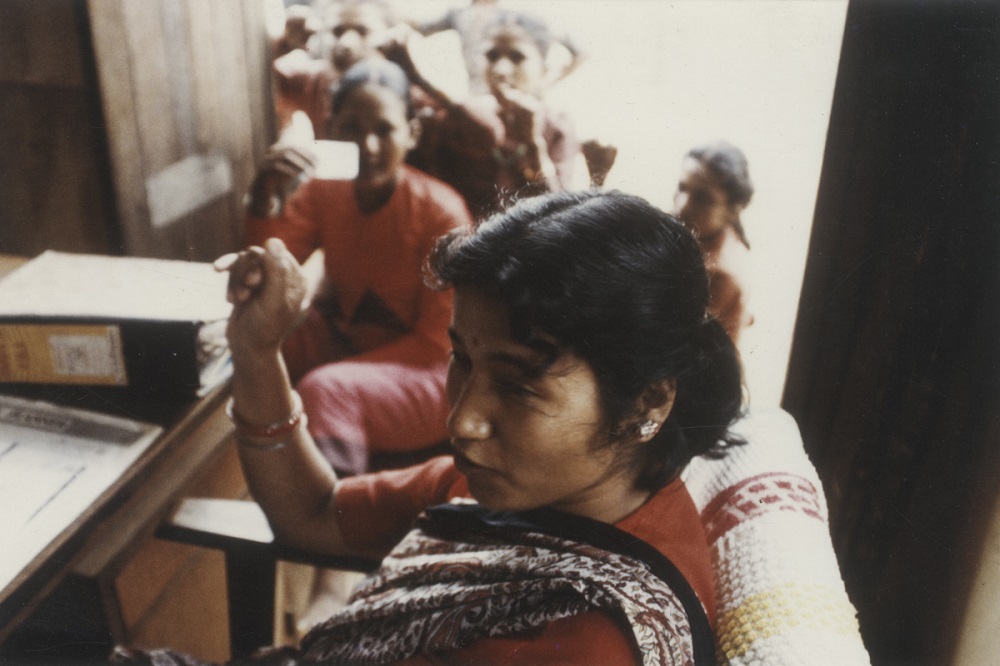
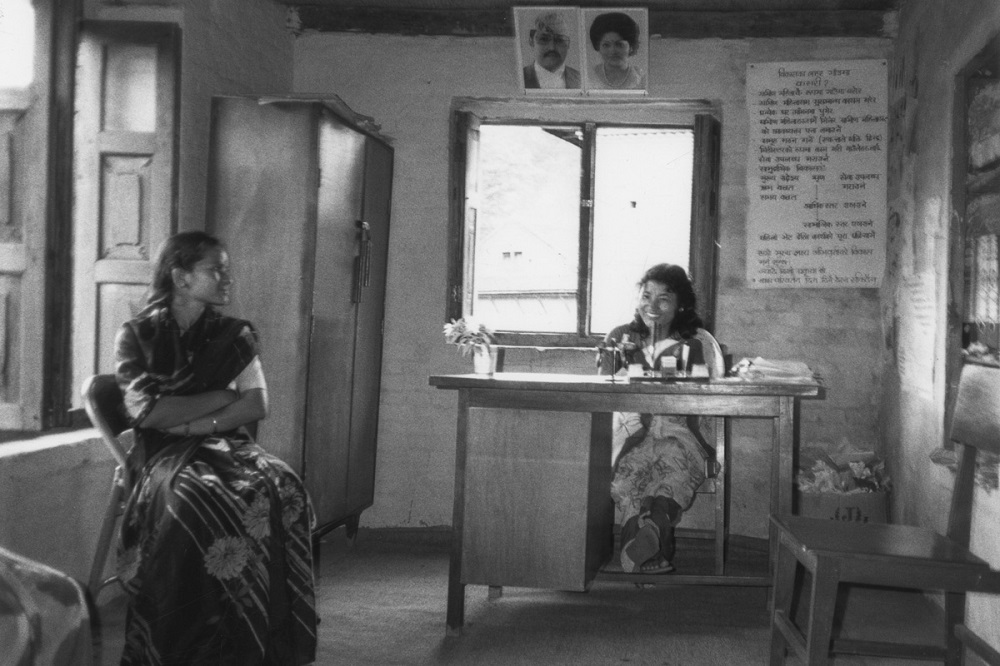
    As one of the first officers of Women Development Division, Shanta Laxmi Shrestha meets local women of Kavre for the Production Credit for Rural Women Program. This program provided women access to credit with the vision that women’s economic empowerment will boost rural development.
    Shanta Laxmi Shrestha Collection/Nepal Picture Library
    Kavrepalanchowk | 1983

    As one of the first officers of Women Development Division, Shanta Laxmi Shrestha meets local women of Kavre for the Production Credit for Rural Women Program. This program provided women access to credit with the vision that women’s economic empowerment will boost rural development.
    Shanta Laxmi Shrestha Collection/Nepal Picture Library
    Kavrepalanchowk | 1983

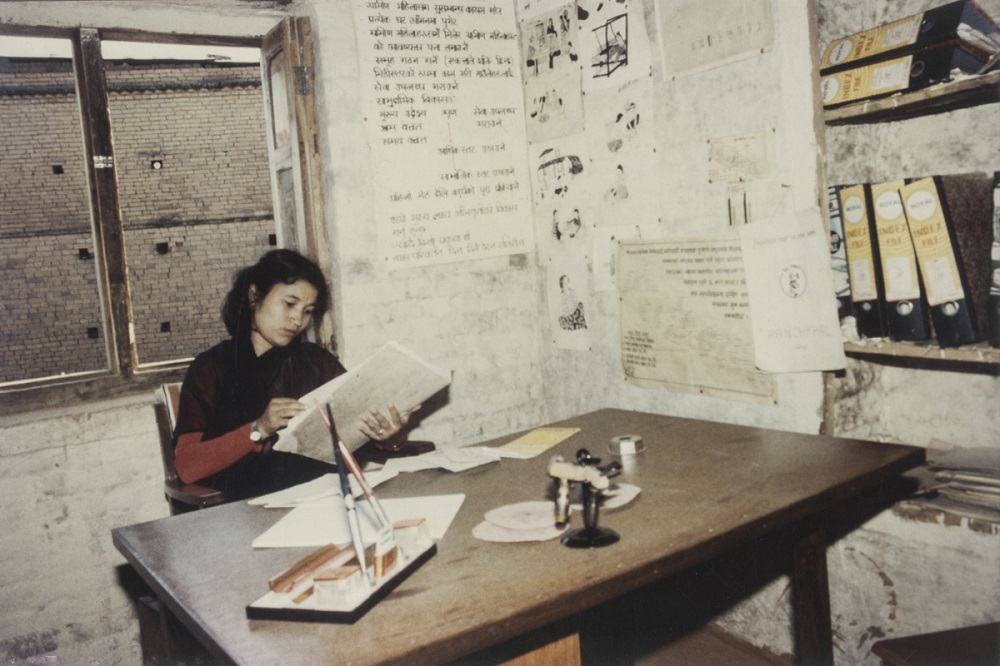
    As one of the first officers of Women Development Division, Shanta Laxmi Shrestha meets local women of Kavre for the Production Credit for Rural Women Program. This program provided women access to credit with the vision that women’s economic empowerment will boost rural development.
    Shanta Laxmi Shrestha Collection/Nepal Picture Library
    Women's Security Pressure Group Collection/Nepal Picture Library
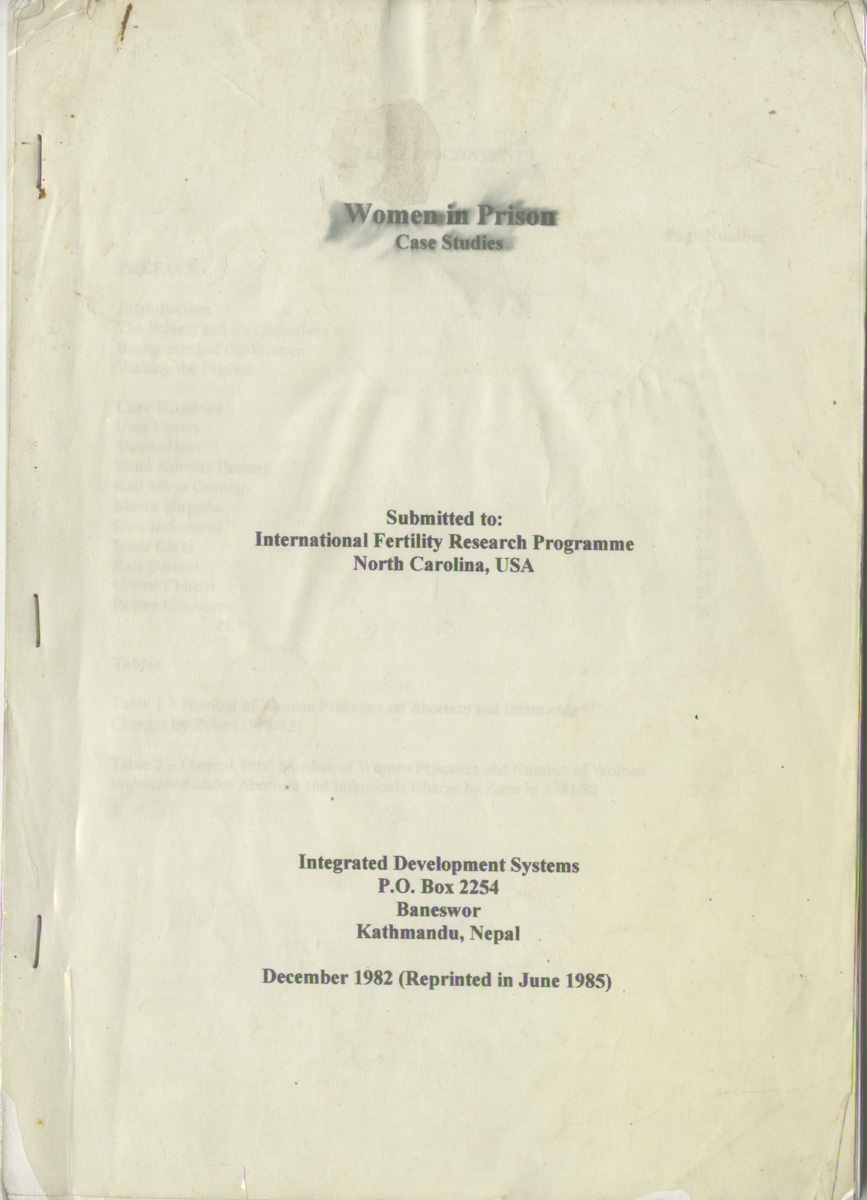
    Kathmandu | 1984

    A report written by Indira Shrestha on the cases of women in prison for abortion-related crimes.
    Indira Shrestha Collection/Nepal Picture Library
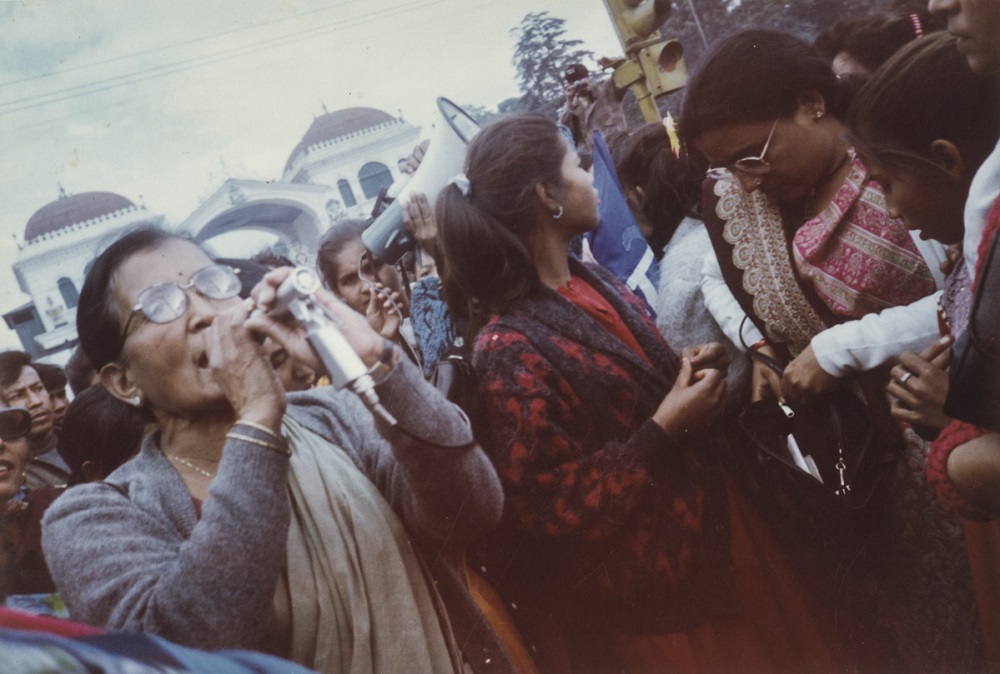
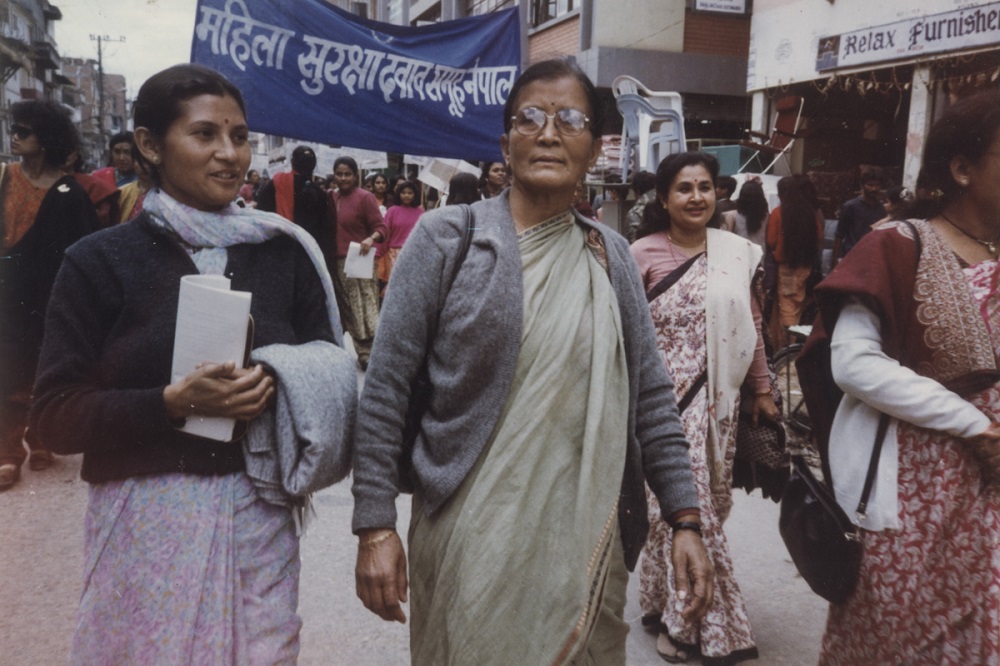
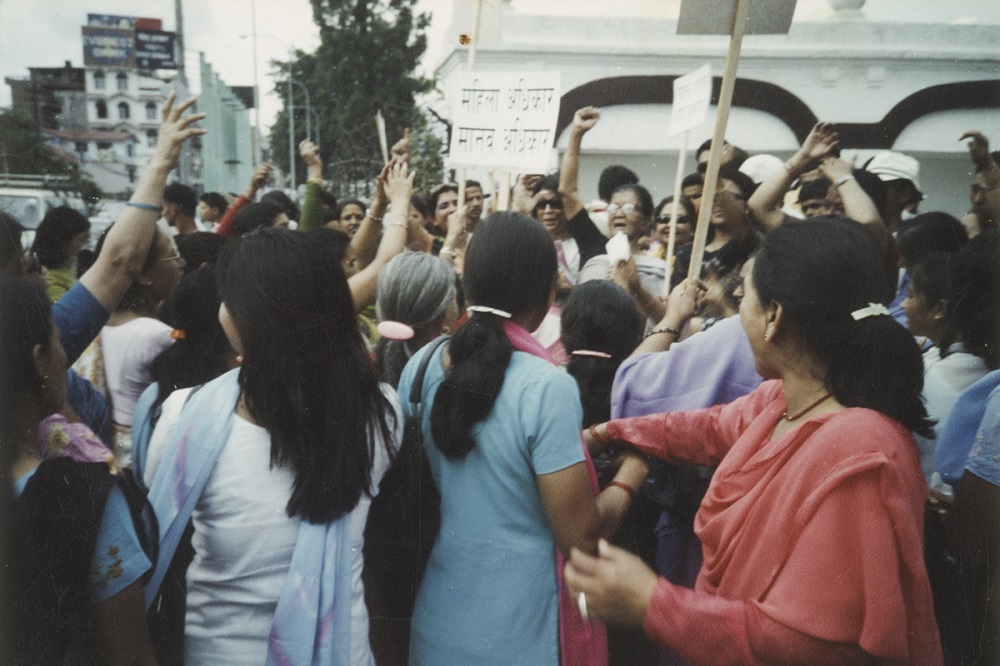
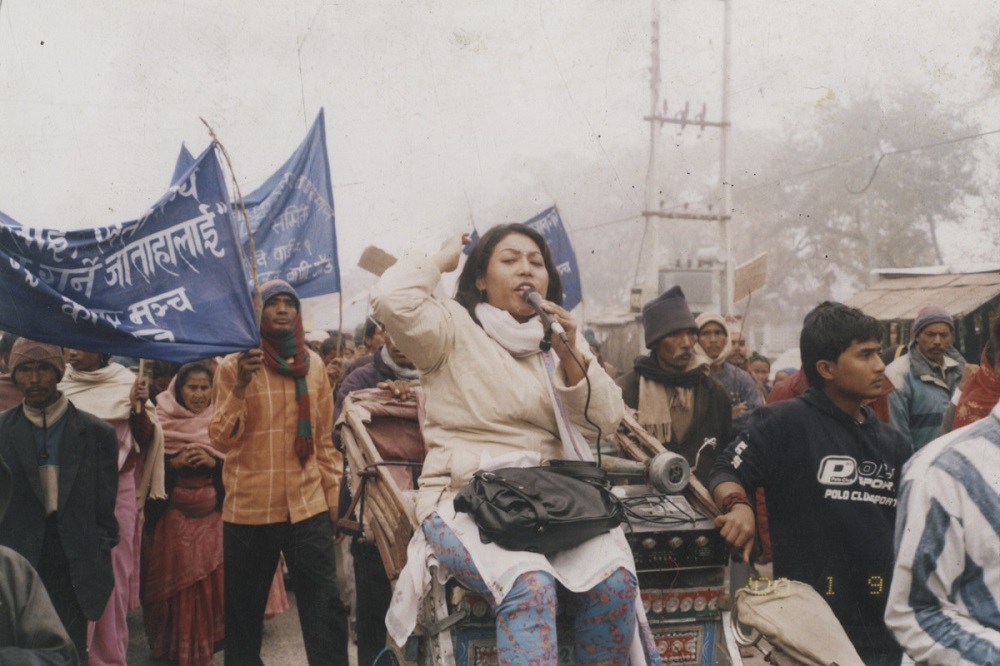
    Kathmandu | 1993

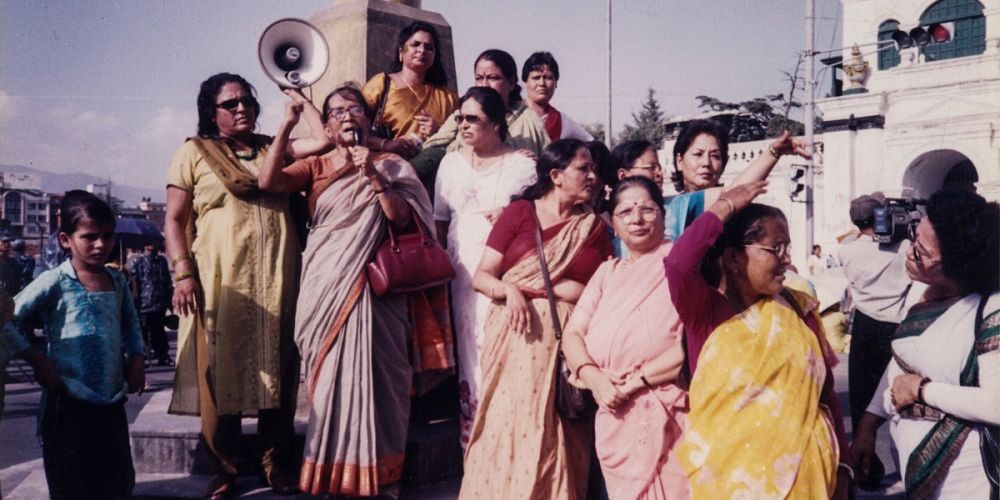
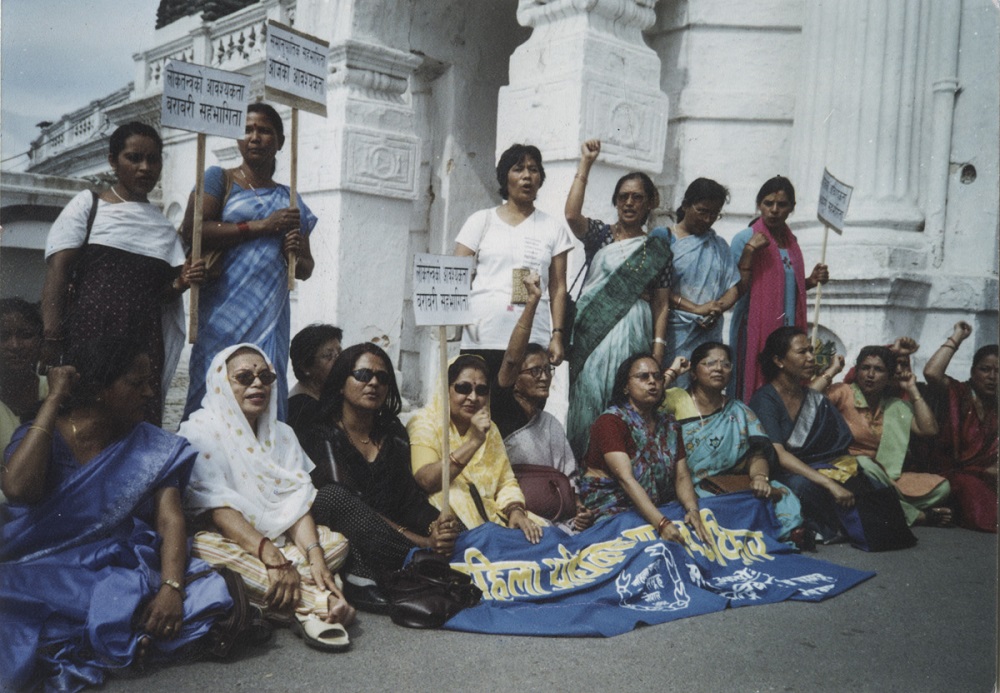
    Members of Women’s Security Pressure Group take a rally. Chaired by Sahana Pradhan, the group started as a united forum of women activists, politicians, and professionals of all affiliations. It was founded in 1991 after the Home Minister of the newly established democratic government said that women should simply grow their nails and carry chilli powder when women activists petitioned him about the watershed case of a 11-year-old girl’s rape in Kathmandu. Seen in the photographs are Sahana Pradhan, Durga Ghimire, Astalaxmi Shakya, Savitri Jangam Thapa, and others.
    Sushila Shrestha Collection/Nepal Picture Library
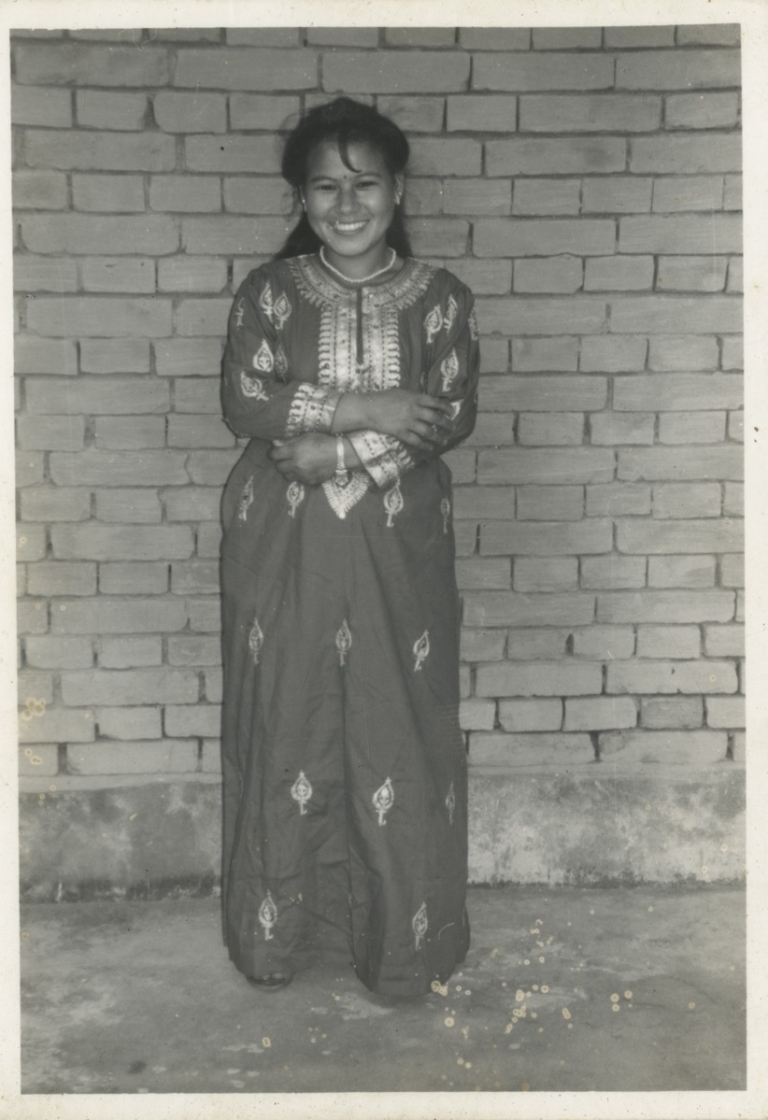
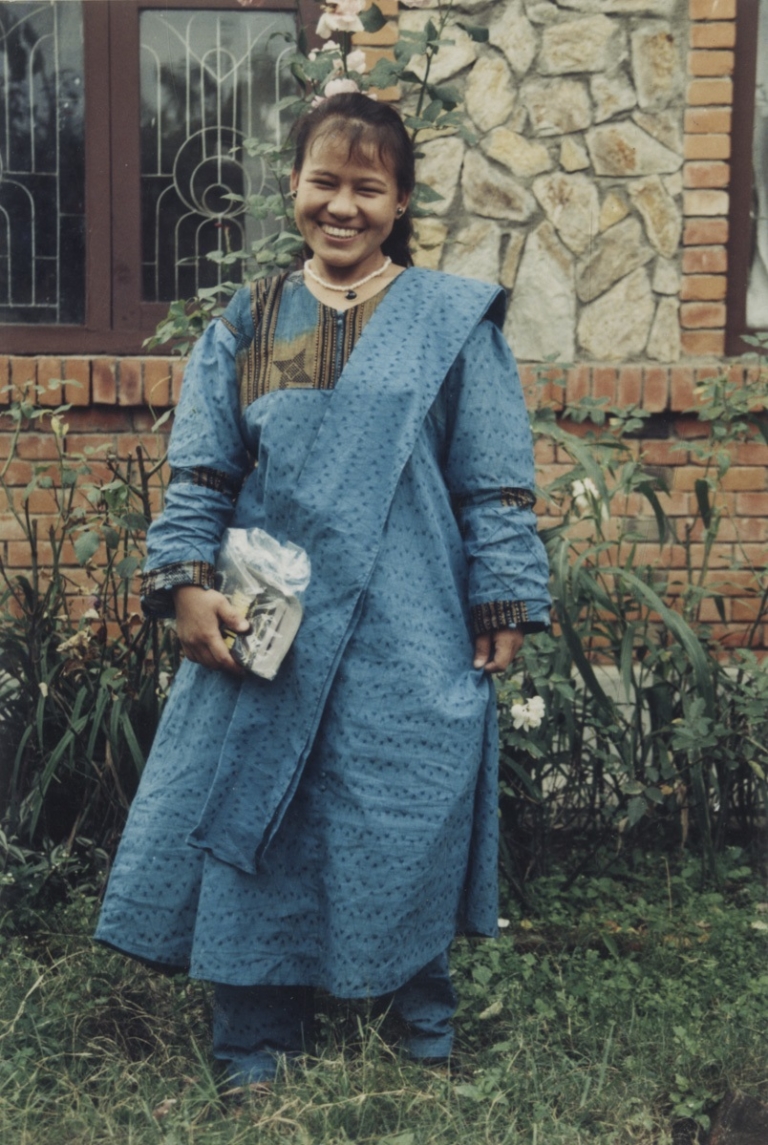
    Kathmandu | 1996 Charimaya Tamang at Nawa Jyoti Kendra shelter home in Kathmandu. Tamang was one of the girls rescued from Mumbai’s red light district following a raid and placed in a remand home by the Indian Police where they were routinely mistreated. After being brought back to Nepal, she poses in her favorite tailored dresses that she had to go through hoops to get the Indian Embassy to retrieve from the brothel. Tamang says, “It wasn’t greed but something else that made me want to have them back. I had put together few sets of jewelry and other things while in Mumbai. They belonged to me.” Charimaya Tamang Collection/Nepal Picture Library
    Charimaya Tamang after 1 week of rescue


    Kathmandu | 1993

    Members of Women’s Security Pressure Group take a rally. Chaired by Sahana Pradhan, the group started as a united forum of women activists, politicians, and professionals of all affiliations. It was founded in 1991 after the Home Minister of the newly established democratic government said that women should simply grow their nails and carry chilli powder when women activists petitioned him about the watershed case of a 11-year-old girl’s rape in Kathmandu. Seen in the photographs are Sahana Pradhan, Durga Ghimire, Astalaxmi Shakya, Savitri Jangam Thapa, and others.
    Sushila Shrestha Collection/Nepal Picture Library
    Women's Security Pressure Group Collection/Nepal Picture Library
     

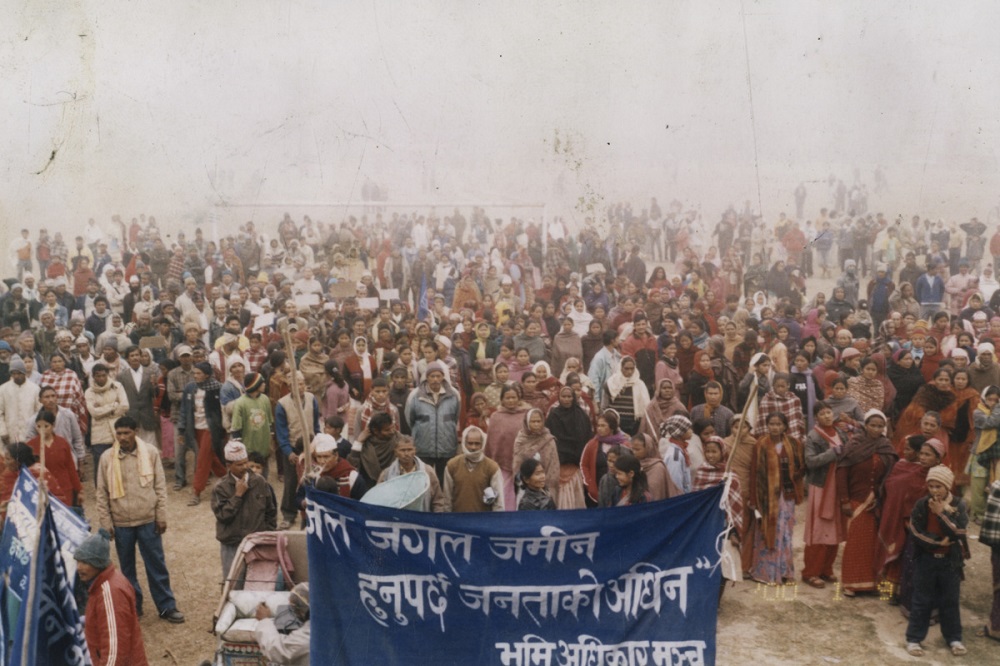
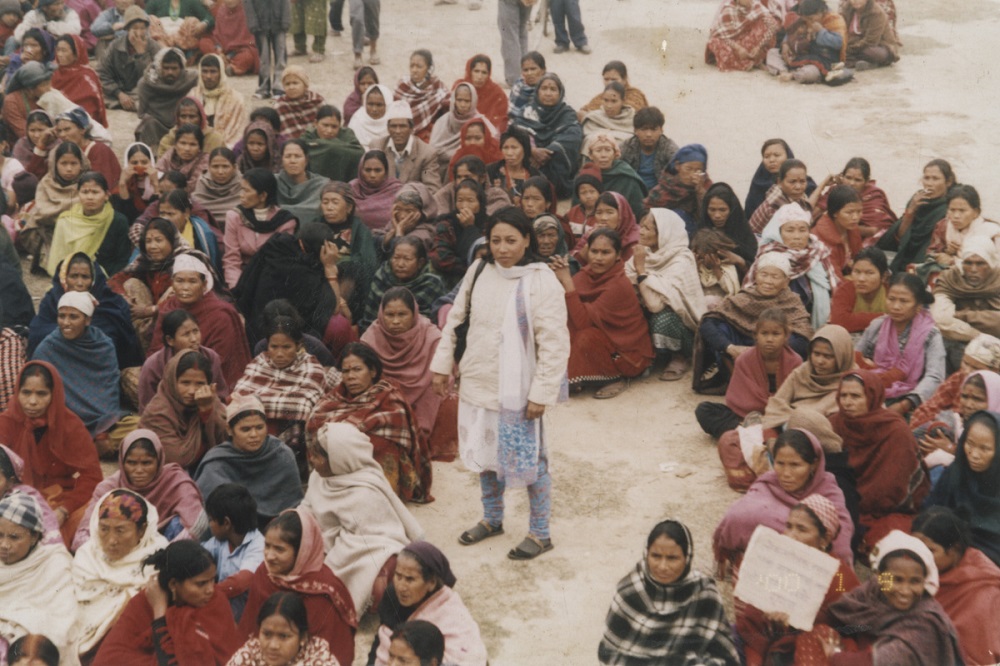
    Kapilvastu | 1995

    Nepal Mahila Ekata Samaj joins a rally of landless people against an eviction drive initiated by the government, which was mobilizing elephants and military men to remove the squatter colonies in Terai. Nepal Mahila Ekata Samaj was an NGO set up to work specifically with landless and homeless women.
    Nepal Mahila Ekta Samaj Collection/Nepal Picture Library
     

    1995 c.| Kapilavastu. Bina Buddhacharya, active member of Nepal Mahila Ekta Samaj, attending a rally of sukumbasis (landless people) against an eviction drive initiated by the then democratically-elected government which was mobilising the military and elephants to burn and destroy the sukumbasis’ houses and farms in the southern tarai belt. Coming under the banner to unify campaigners working to recognize land rights and women’s rights, many organizations like the Nepal Mahila Ekta Samaj, worked to resist the government action which had negatively affected several thousands.

    Nepal Mahila Ekta Samaj Collection/Nepal Picture Library
     

    Women's Security Pressure Group Collection/ Nepal Picture Library
    Kapilvastu | 1995

    Nepal Mahila Ekata Samaj joins a rally of landless people against an eviction drive initiated by the government, which was mobilizing elephants and military men to remove the squatter colonies in Terai. Nepal Mahila Ekata Samaj was an NGO set up to work specifically with landless and homeless women.
    Nepal Mahila Ekta Samaj Collection/Nepal Picture Library
     

    Vienna | 1996

    Usha Nepal represents Nepal at a United Nations summit on human trafficking.
    Usha Nepal Collection/Nepal Picture Library
     

    Mumbai | 1996

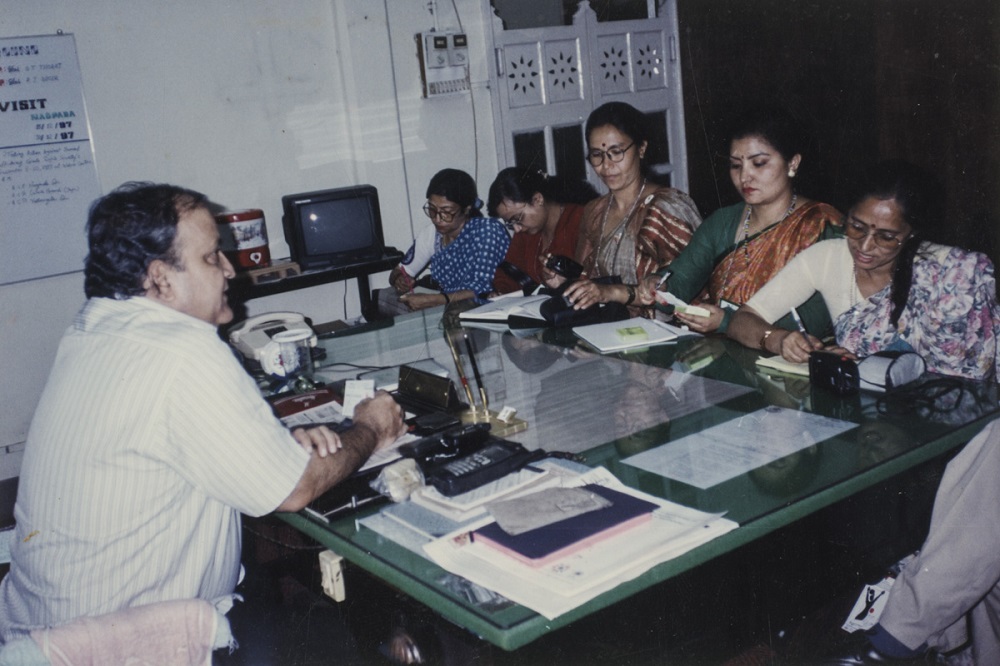
    Activists meet with Mumbai Police to seek help in bringing back Nepali girls and women trafficked and sold into prostitution. In 1996, close to 200 Nepali women rescued and placed in Indian remand homes were brought back following the concerted efforts of activists like them. This action was done despite the heavy resistance from the government over the HIV pandemic.
    Sushila Shrestha Collection/Nepal Picture Library
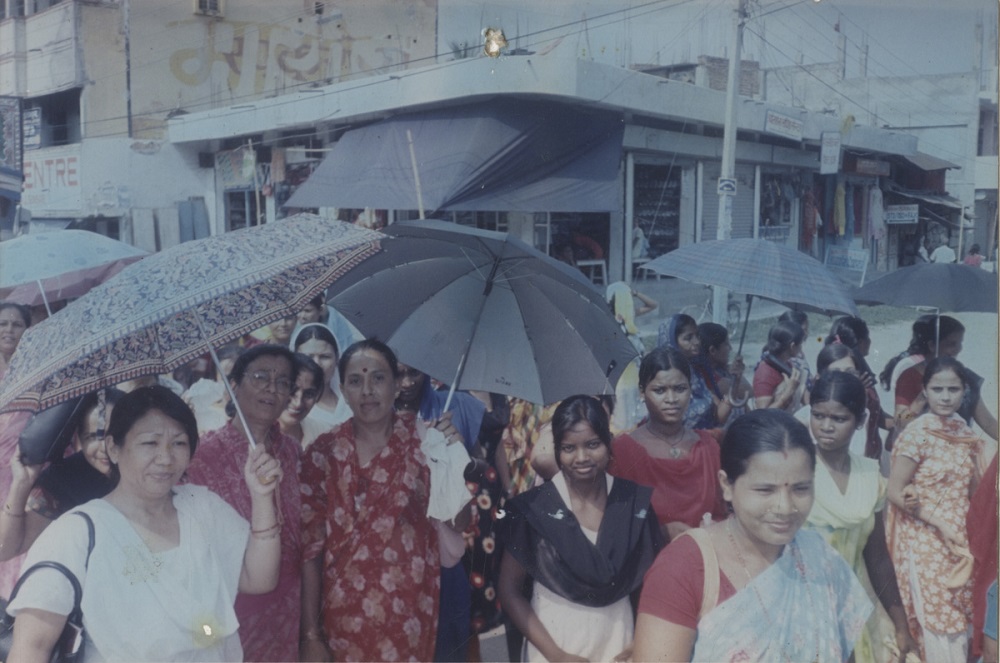
    Sunsari | 2006

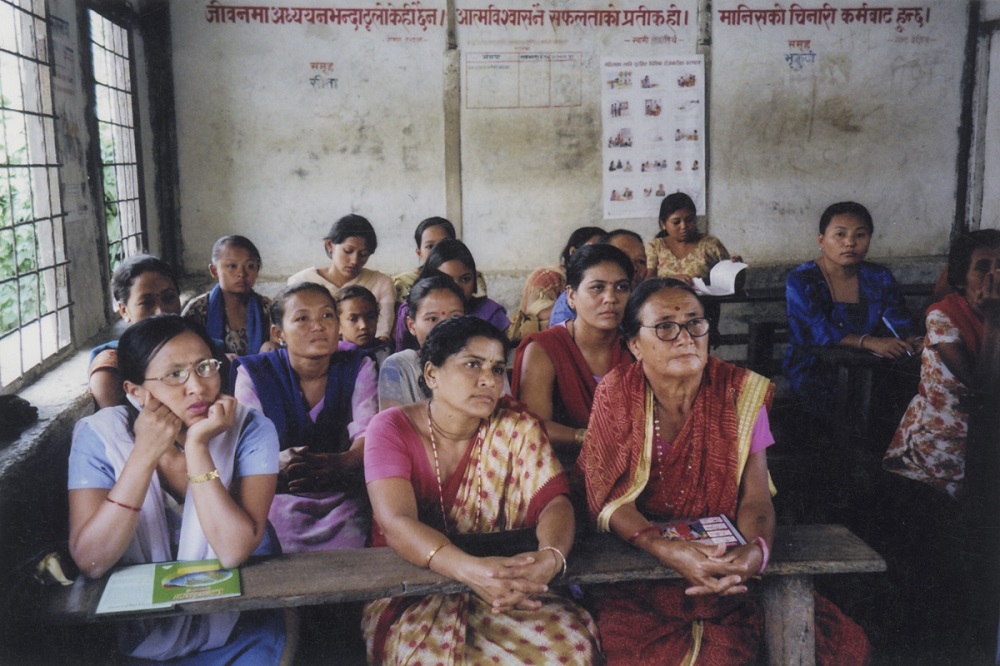
    Women in Dharan attend a community awareness programme on employment and empowerment organized by Pourakhi Nepal, a member-based organization working on the rights of migrant women workers. Dharan is one of the largest remittance towns in Nepal.
    Pourakhi Nepal Collection/Nepal Picture LibrarySunsari | 2006

    Women in Dharan attend a community awareness programme on employment and empowerment organized by Pourakhi Nepal, a member-based organization working on the rights of migrant women workers. Dharan is one of the largest remittance towns in Nepal.
    Pourakhi Nepal Collection/Nepal Picture Library
     [Feature Image: Women’s Security Pressure Group Collection/Nepal Picture Library]

    These images are part of the ongoing Feminist Memory Project, which were under exhibition during Photo Kathmandu.


    :::

    We welcome your comments. Please write to us at letters@recordnepal.com.


    author bio photo

    Nepal Picture Library  Nepal Picture Library is a digital photo archive run by photo.circle that strives to create a broad and inclusive visual archive of Nepali social and cultural history, and has collected over 70,000 photos from various sources across Nepal.


    Comments

    Get the best of

    the Record

    Previous Next

    YOU MAY ALSO LIKE

    Explainers

    6 min read

    Mahara may be fired - and his case could go nowhere

    The Record - October 3, 2019

    The sexual violence allegation against Mahara is a test for the government, CPN and state institutions.

    Perspectives

    10 min read

    Why aren’t more women selected as candidates?

    Seira Tamang - May 16, 2022

    Patriarchy alone is not a sufficient explanation for the lack of women in candidate selection for the recently held local elections.

    Perspectives

    3 min read

    We were sexually harassed by a Tribhuvan University professor

    Nisha Shah And Manisha Lamsal - December 2, 2018

    A #metoo story about abuse of power in the University

    Perspectives

    5 min read

    Debunking Nepali Marxist feminism

    Kalpana Jha - October 4, 2020

    Women’s experiences are informed by not just their class, but also their caste, ethnicity, and gender

    COVID19

    News

    3 min read

    Covid19 Roundup, 22 May: Covid19 cases rise to 516 as more frontliners test positive

    The Record - May 22, 2020

    A daily summary of Covid19-related developments that matter

    COVID19

    News

    3 min read

    Covid19 Roundup, 18 April: 2 discharged, those under treatment well & more

    The Record - April 18, 2020

    A daily summary of Covid19 related developments that matter

    Perspectives

    5 min read

    Hum aab Sita nai banbau

    Kalpana Jha , Pallavi Payal - February 22, 2021

    Sapana Sanjeevani’s poem took aim at the patriarchal foundations of religion and society, and for that, she’s become the target of death and rape threats.

    Explainers

    4 min read

    Workers left in the lurch

    Roshan Sedhai - August 20, 2020

    The govt has callously suspended its campaign to repatriate stranded migrant workers

    • About
    • Contributors
    • Jobs
    • Contact

    CONNECT WITH US

    © Copyright the Record | All Rights Reserved | Privacy Policy